Prevent Furnace Failures Before Winter Arrives
Heating Maintenance in Basehor for Kansas freeze protection and ice storm preparation
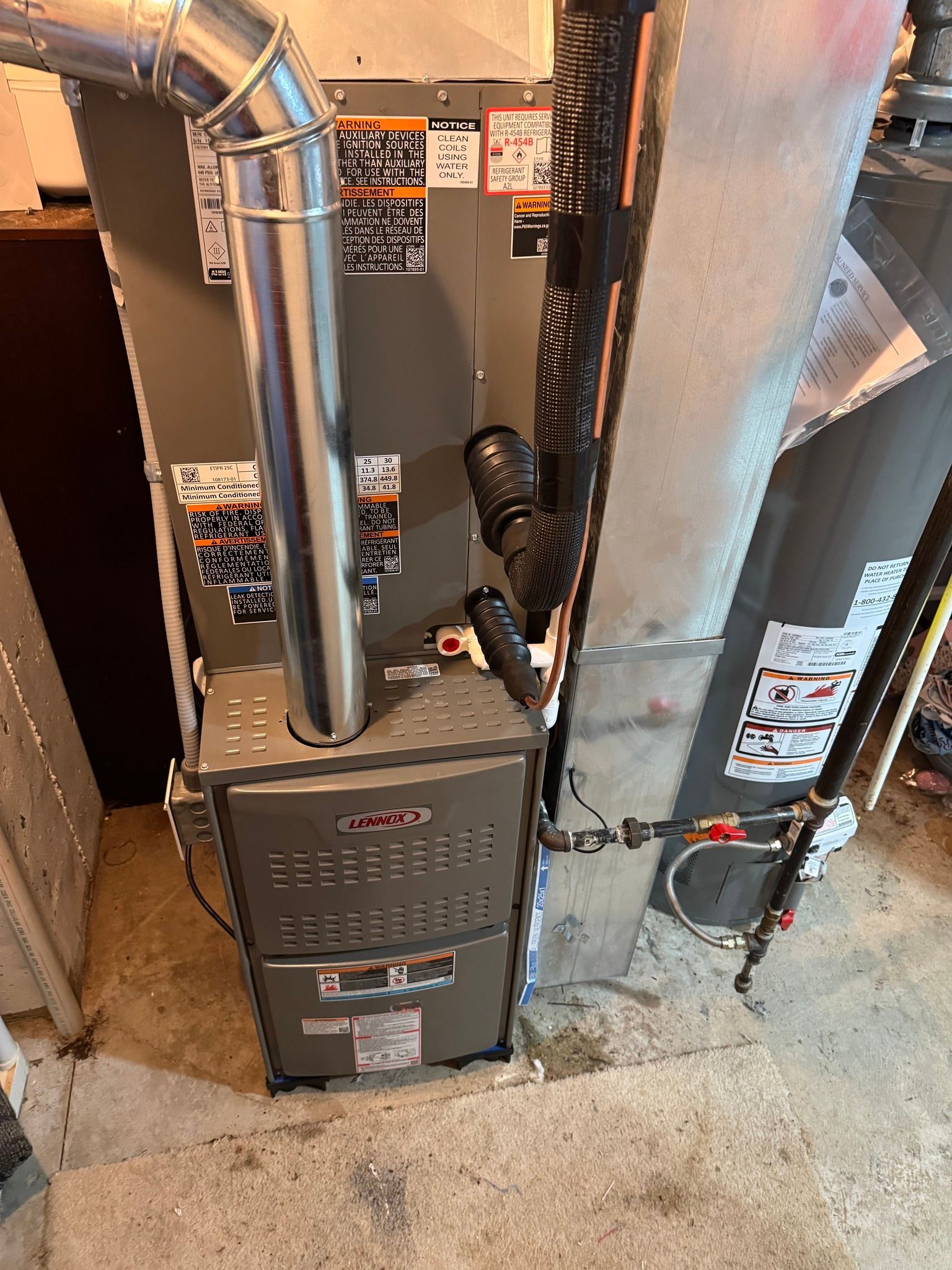
Kansas winters bring ice storms and freeze-ups that push heating systems to their limits, and furnaces that haven't been serviced often fail during the coldest weeks of the season. Dyno Heating & Cooling performs heating maintenance in Basehor and surrounding communities to catch problems before they cause no-heat emergencies. Pre-winter tune-ups focus on safety checks, efficiency adjustments, and component testing that prevent breakdowns when you need reliable heat the most.
The maintenance visit includes heat exchanger inspection for cracks or corrosion, carbon monoxide testing to verify safe combustion, and thermostat calibration to confirm accurate temperature control. Technicians also clean burners, test ignition systems, check gas pressure, and measure airflow to ensure your furnace operates at manufacturer specifications. This comprehensive approach addresses both safety concerns and performance issues that lead to higher energy bills or uneven heating.
Arrange a pre-winter heating tune-up to verify your system is ready for Kansas freeze conditions.
Why Carbon Monoxide Testing Matters
Your furnace burns natural gas or propane to generate heat, and proper combustion produces carbon dioxide and water vapor that vent safely outdoors. When heat exchangers develop cracks or combustion air supply becomes restricted, incomplete combustion produces carbon monoxide—a colorless, odorless gas that can accumulate in your home. Carbon monoxide testing during maintenance measures exhaust gas composition and checks supply air for contamination, catching dangerous conditions before they threaten your family.
After maintenance is completed, your furnace ignites reliably on the first call for heat each day, runs quietly without rattling or rumbling, and delivers consistent warmth to all rooms without cold spots or temperature swings. Locally owned and operated, Dyno Heating & Cooling provides thorough safety-focused maintenance that includes documentation of all tests performed and measurements recorded. You'll notice lower heating bills from improved efficiency, fewer service calls during winter, and the confidence that safety controls and venting systems are functioning as designed.
Maintenance visits also include filter replacement or cleaning, blower motor lubrication where applicable, and inspection of electrical connections that can loosen over time and cause intermittent operation. The service covers everything needed to prepare your system for winter, but it doesn't include repairs for worn components like cracked igniters or failed capacitors. If the technician identifies parts that need replacement, you receive a detailed explanation of what's failing, why it matters, and what happens if the repair is delayed.
What Homeowners Ask About Heating Tune-Ups
Property owners throughout the Basehor area typically have questions about maintenance timing, what the service includes, and how often tune-ups should be scheduled.
When should heating maintenance be scheduled in Kansas?
Late summer or early fall allows time to complete any needed repairs before cold weather arrives. Scheduling before the seasonal rush also makes it easier to get your preferred service date.
How does heat exchanger inspection work?
The technician visually examines the exchanger for cracks, rust, or separation using inspection mirrors and bright lighting. Combustion analysis tools then measure carbon monoxide and oxygen levels in the flue to detect breaches that visual inspection might miss.
What does thermostat calibration involve?
A precision thermometer is placed near the thermostat to compare actual room temperature with the displayed reading. If the difference exceeds two degrees, the thermostat is recalibrated or replaced to restore accurate temperature control and prevent short-cycling.
Why do furnaces fail more often without maintenance?
Burners develop buildup that restricts flame patterns and reduces heat output. Igniters weaken and crack from repeated thermal cycles. Blower motors accumulate dust that causes overheating. Regular maintenance addresses these wear patterns before they cause system failure.
What safety controls are tested during tune-ups?
Limit switches, rollout switches, pressure switches, and flame sensors are all tested for proper operation. These controls shut down your furnace when unsafe conditions develop, and failed safety devices are the leading cause of no-heat calls during Kansas winters.
Licensed and insured service from Dyno Heating & Cooling includes comprehensive safety checks and performance testing designed to prevent winter heating emergencies. Schedule your heating maintenance now to prepare for the Kansas heating season with confidence.