Cooling Systems Sized for Humid Kansas Summers
AC Installation in Basehor for homes dealing with high humidity and sustained heat above 90 degrees
Kansas summers bring high humidity alongside temperatures that stay above 90 degrees for weeks at a time, creating moisture issues and cooling loads that poorly installed systems cannot handle. Dyno Heating & Cooling installs air conditioning systems using vacuum procedures on refrigerant lines every time, micron gauge testing to verify proper vacuum levels, and subcool temperature checks that confirm refrigerant charge matches manufacturer specifications. Licensed and insured installers verify supply-to-return temperature split after installation to ensure the system produces the cooling output your home requires during July and August.
Installation includes running new refrigerant lines when needed, positioning condensate drainage to prevent moisture backup, and testing airflow across the evaporator coil. Subcool temperatures are measured to confirm refrigerant levels are correct, not guessed at based on pressure readings alone. The micron gauge reading must reach manufacturer-specified vacuum levels before refrigerant is introduced, which prevents moisture and air contamination inside the system.
Arrange an on-site evaluation to determine the correct system capacity and installation requirements for your home.
Why Vacuum and Refrigerant Procedures Matter
Refrigerant lines must be vacuumed to remove air and moisture before refrigerant is added. A micron gauge measures vacuum depth—readings must drop below 500 microns and hold steady, confirming no leaks exist and all contaminants are removed. Skipping this step or using only pressure gauges leaves moisture in the system, which freezes at the expansion valve and causes intermittent cooling failures during operation.
Once the system is running, your home cools to the set temperature within a reasonable time frame, humidity levels drop noticeably compared to outdoor conditions, and the condensate drain line carries away moisture pulled from indoor air. The temperature difference between supply and return air typically measures between 15 and 20 degrees, indicating proper airflow and refrigerant charge. You no longer experience muggy indoor conditions even when outdoor humidity is high.
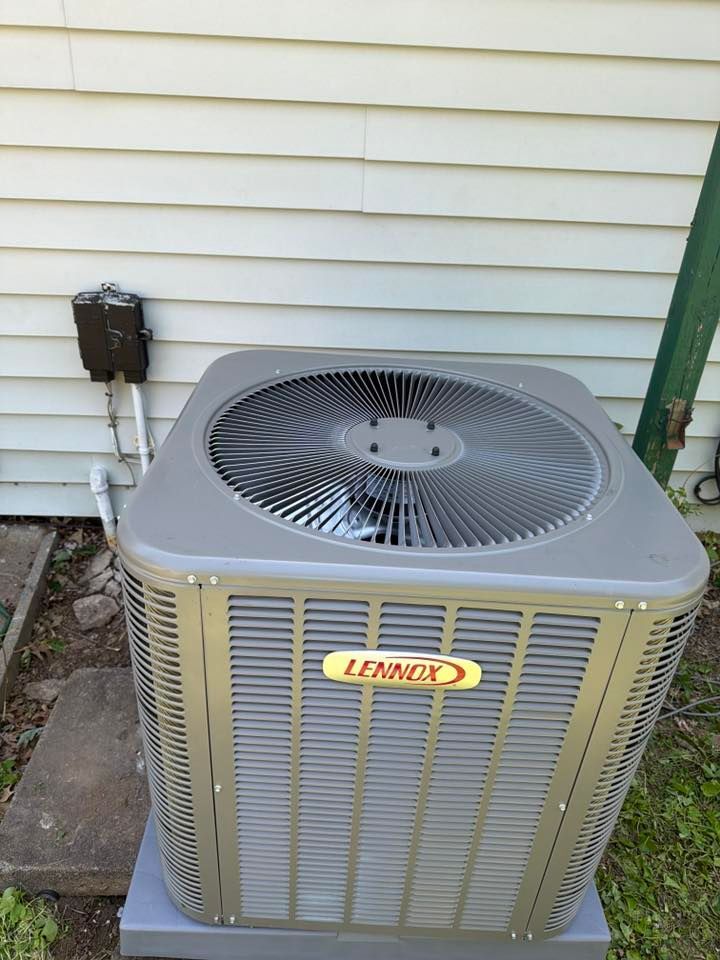
Installation also includes checking electrical connections for proper amperage draw and verifying the outdoor condenser unit sits level on its pad. Airflow across the indoor coil is measured to confirm the blower motor moves enough air to match the system's cooling capacity.
Questions Homeowners Have Before Installation
Air conditioning installation involves technical procedures that directly affect system performance. These answers clarify what happens during installation and why specific steps matter.
What does vacuuming the refrigerant lines accomplish?
Vacuuming removes air and moisture from refrigerant lines before refrigerant is added. A micron gauge confirms vacuum levels reach below 500 microns and hold steady, proving the system is sealed and free of contaminants that cause premature failure.
How do you verify the refrigerant charge is correct?
Subcool temperatures are measured at the liquid line after the system runs for several minutes. This measurement confirms refrigerant levels match manufacturer specifications, rather than relying on pressure readings alone which vary with outdoor temperature.
What is the supply-to-return temperature split?
It measures the temperature difference between air entering the return vent and air leaving the supply vents. A split between 15 and 20 degrees indicates proper airflow and refrigerant charge for most systems operating in Basehor summer conditions.
Why does condensate drainage matter in Kansas?
High humidity summers produce significant condensation as the evaporator coil removes moisture from indoor air. Drainage lines must slope correctly and drain freely to prevent water backup, which causes ceiling stains and mold growth.
How long does a complete AC installation take?
Most installations require one full day for a straightforward replacement, longer if new refrigerant lines or electrical work is needed. The system is tested under load before the installation is considered complete.
Dyno Heating & Cooling uses micron gauge testing and subcool verification on every installation, not just when problems are suspected. Schedule a consultation to review installation procedures and system options for your home.