Reliable Heat for Subzero Kansas Winters
Heating Installation in Basehor for homes facing ice storms and temperatures below zero
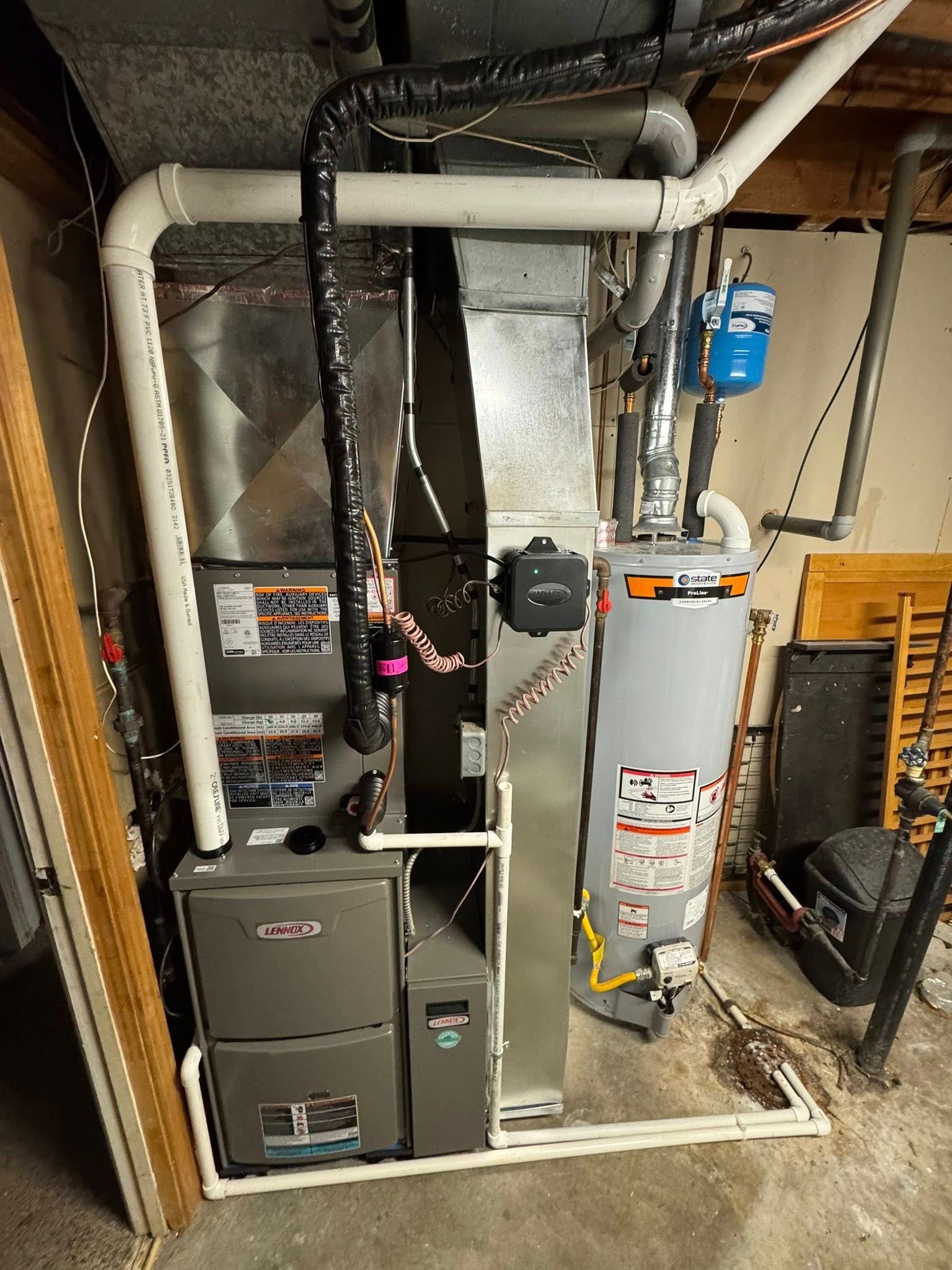
Kansas winters drop below zero with ice storms that knock out power and create heating emergencies, which means your furnace or heat pump must be sized correctly and vented safely to provide reliable warmth. Dyno Heating & Cooling installs heating systems based on square footage, insulation quality, and home efficiency, sometimes oversizing for homes with poor insulation where heat loss exceeds standard sizing calculations. Licensed and insured installers with over ten years of experience perform combustion analysis on new gas furnace installations to confirm safe venting and efficient fuel burn, preventing carbon monoxide risks and ensuring the system heats your home without wasting energy.
Heating installation involves more than connecting a furnace to existing ductwork—proper sizing accounts for Kansas temperature swings that can shift 40 degrees in a day, and venting must handle combustion gases safely even during high winds or freezing conditions. Combustion analysis measures oxygen levels, carbon monoxide output, and flue gas temperature to verify the furnace operates within safe parameters.
Request an in-home heating assessment to determine the correct system size and installation approach for your property.
What Changes After Heating System Installation
Sizing heating systems starts with calculating your home's heat loss based on square footage, insulation levels, window quality, and air leakage. In homes with single-pane windows or inadequate attic insulation, slight oversizing prevents the furnace from running continuously during subzero weather without maintaining your set temperature. Combustion analysis on gas furnaces uses specialized meters to measure carbon monoxide, oxygen content, and combustion efficiency, confirming the unit vents properly and burns fuel completely.
Once installation is complete, your home reaches the thermostat setting and holds it even when outdoor temperatures drop below zero. Rooms heat evenly without cold spots near windows or exterior walls. The furnace cycles on and off at normal intervals rather than running nonstop, and you no longer notice drafts or temperature drops during Kansas cold snaps. Utility bills reflect efficient operation because the system is sized correctly and burns fuel at optimal efficiency levels verified through combustion testing.
Venting is inspected and upgraded if needed to handle the new furnace's output. Ductwork is checked for leaks that waste heated air, and airflow is measured to confirm the blower delivers enough air circulation to match the furnace's heating capacity.
Common Questions About This Service
Heating installation in a region with Kansas winter extremes raises specific concerns about system sizing, venting safety, and fuel efficiency. These questions address how proper installation handles subzero conditions.
How do you size a heating system for Kansas winters?
Heat loss calculations start with square footage, then adjust for insulation quality, window types, and air leakage. Homes with poor insulation or older windows may need slight oversizing to maintain indoor temperature during prolonged subzero weather.
What does combustion analysis measure?
It measures oxygen levels, carbon monoxide output, and flue gas temperature in the exhaust. These readings confirm the furnace vents safely, burns fuel completely, and operates at optimal efficiency without producing dangerous exhaust gases.
Why would a heating system need to be oversized?
Homes with inadequate insulation, large window areas, or high ceilings lose heat faster than standard sizing accounts for. Slight oversizing compensates for this heat loss and prevents the furnace from struggling to maintain temperature when outdoor conditions are extreme.
What venting requirements apply to gas furnaces in Basehor?
Venting must handle combustion gases safely and resist downdrafts during high winds or temperature inversions. Modern high-efficiency furnaces use PVC venting that exits through a sidewall, while older units require metal flues that vent through the roof.
How long does heating system installation take?
Most installations are completed in one day for straightforward furnace replacements. More time is needed if venting requires modifications or if ductwork needs repair to handle the new system's airflow requirements.
Dyno Heating & Cooling performs combustion analysis and proper sizing on every heating installation to ensure safe, efficient operation through Kansas winters. Schedule a consultation to discuss system options and installation requirements specific to your home.